

Six Costly Mistakes to Avoid When Choosing a Commercial Contractor
Avoid Mistakes
Imagine the dream. Your new boutique opens its doors, bathed in sunlight and ready to welcome eager customers. Or your apartment complex sparkles with fresh paint and upgraded amenities, attracting happy tenants.
But before that ribbon-cutting, before those first leases, lies the construction phase – a whirlwind of decisions with the potential to turn your dream into a financial nightmare. The wrong contractor can blow budgets and balloon timelines and leave you with shoddy work that tarnishes your property’s reputation.
Don’t let that be your story. Property owners, retail tenants, or apartment complex owners deserve a smooth construction journey leading to a beautiful, functional space on schedule and within budget. To safeguard your project’s success, steer clear of these six costly mistakes when choosing a commercial contractor:
1. Chasing the Lowest Bid
The allure of a rock-bottom price is undeniable, but remember, quality rarely comes cheap. Contractors operating at razor-thin margins may cut corners on materials, labor, or permits, leaving you with hidden costs and potential safety hazards down the line. Instead, focus on value.
Request detailed proposals outlining materials, labor costs, and timelines. A slightly higher upfront investment can prevent a budget-crushing rework later.
2. Disregarding Past Performance
A charming portfolio and smooth talk only get you so far. Don’t fall victim to a charismatic hustler. A Dodge Data & Analytics study reveals that 40% of construction projects suffer from delays and cost overruns due to contractors with a history of poor performance.
Always check references – talk to previous clients about the contractor’s communication, workmanship, and deadline adherence.
3. Failing to Verify Insurance and Licenses
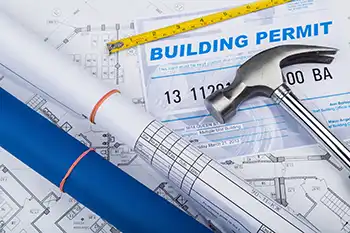 The Associated General Contractors of America (AGC) estimates that nearly 22% of construction projects encounter legal issues related to insufficient insurance or licensing. Overlooking these critical details can expose property owners to financial liabilities and legal complications. Ensure your chosen contractor is adequately insured and licensed to protect your investment.
4. Neglecting Contractual Clarity
A sloppy contract leaves room for misunderstandings and disputes. Ensure your contract clearly defines the scope of work, payment schedule, change order procedures, and completion deadlines. Don’t hesitate to involve a lawyer to review the contract before signing. Remember, an explicit agreement is your best defense against cost overruns and project delays.
5. Ignoring Communication Red Flags
Clear communication is the lifeblood of any successful project. The American Institute of Architects (AIA) reports that 57% of project failures stem from poor communication between building owners and contractors.
Beware of contractors who are difficult to reach, are vague in their responses, or are dismissive of your concerns. A responsive and engaged contractor is invested in your project’s success and will keep you informed every step of the way.
6. Going it Alone
Navigating the complexities of commercial construction can be overwhelming, especially for first-time project owners. Consider partnering with a reputable construction management firm like Omega Contracting & Consulting.
 With years of experience and expertise, Omega can guide you through the entire process, from budgeting and design to project oversight and completion.
Choosing the right commercial contractor is more than finding the cheapest option. It is about finding a trusted partner who understands your vision, respects your budget, and delivers quality work on time.
By avoiding these costly missteps and considering the valuable support offered by firms like Omega Contracting & Consulting, you can transform your construction journey from a potential nightmare into a dream come true. So, are you ready to build a space that exceeds expectations without exceeding your budget?

Commercial Contractor Vetting FAQs: Risk, Cost, and Management
Q: What are the minimum insurance requirements a commercial contractor must carry?
Q: What steps should I take to compare the bids of commercial contractors accurately?
Q: How should I structure the payment schedule to prevent cost overruns and delays?
Q: What are the biggest red flags to look for when reviewing a contractor’s past performance?
Q: What is the difference between a General Contractor and a Construction Manager?

Contact Us Today!