

The Complete Guide to Commercial Metal Roofing
In the bustling cityscape, one particular building stood out with its shimmering rooftop that seemed to defy the heat. The building manager, always striving for excellence, decided to explore the world of commercial metal roofing. Little did he know that this decision would transform not only the aesthetics of his office building but also its energy efficiency and durability. Welcome to the complete guide to commercial metal roofing, where we delve into everything you need to know to make an informed decision for your commercial property.
What is a Metal Roof?

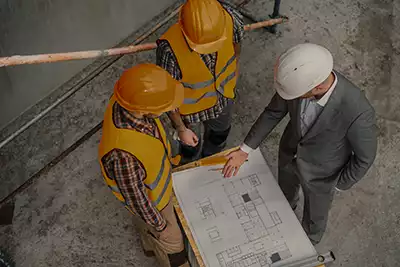
Commercial Construction Worker Installing Metal Roof
A metal roof is a roofing system made from metal pieces or tiles characterized by high resistance, impermeability, and longevity. Commercial metal roofing systems are typically made from steel, aluminum, or copper and offer a range of benefits, from durability to aesthetic appeal.
What Types of Buildings Can Use Metal Roofing?
Commercial metal roofing is versatile and used on various types of buildings. Whether office buildings, retail spaces, industrial warehouses, or educational institutions, metal roofing provides a robust solution that caters to diverse architectural styles and functional requirements.
Are Metal Roofs Better than Traditional Roofing for Commercial Buildings?
Metal roofs offer superior benefits compared to traditional roofing materials like asphalt shingles. According to the Metal Construction Association, metal roofs can last 40-70 years, far longer than traditional roofing materials. They also provide better resistance to weather elements, reducing the risk of damage during storms and high winds.

Metal Roofing Systems Have Decorative Options
What Maintenance is Required for a Metal Roof?
Maintenance for commercial metal roofing systems is relatively minimal. Regular inspections and cleaning to remove debris help maintain their appearance and function. It’s also essential to check for loose fasteners and ensure that sealants are intact to prevent leaks.
How Long Do Commercial Metal Roofs Last?
Commercial metal roofing systems are renowned for their longevity. Properly installed metal roofs can last between 40 and 70 years. This extended lifespan is one of the key reasons why many commercial building owners and managers opt for metal roofing.
Can Metal Roofing Be Installed Over Existing Commercial Roofs?
Yes, metal roofing can often be installed over existing roofs, which can save time and reduce the cost of a roof replacement. This method, known as retrofitting, involves placing the new metal roofing over the existing material, providing an added layer of protection and insulation.

Contact Us Today!

Metal Roofing Installed On Flat Roof
Can Metal Roofing Be Used on a Flat Roof?
While metal roofing is typically associated with pitched roofs, it can also be used on flat or low-slope roofs with proper design and installation. This adaptability makes it a suitable option for various commercial building designs.
Are Metal Roofs Energy-Efficient?
Energy-efficient commercial metal roofing is one of the significant benefits of this roofing material. According to the U.S. Department of Energy, metal roofs reflect solar radiant heat, which can reduce cooling costs by 10-25%. This energy efficiency lowers utility bills and contributes to a building’s overall sustainability.
Are Metal Roofs Fire-Resistant?
Yes, metal roofs are fire-resistant, providing an added layer of safety for commercial buildings. Their non-combustible nature helps prevent the spread of fire, offering peace of mind to building owners and managers.
What are the Pros and Cons of Metal Roofing for Commercial Buildings?
Pros:
- Durability: Metal roofs can withstand extreme weather conditions, including heavy snow, hail, and high winds.
- Longevity: Metal roofs have a lifespan of up to 70 years, outlasting most other roofing materials.
- Energy Efficiency: Reflective properties reduce cooling costs.
- Low Maintenance: Requires less maintenance than traditional roofing materials.
- Sustainability: In addition to often being made from recycled materials, metal roofing systems can also be recycled at the end of their life.
Cons:
- Initial Cost: The initial cost of commercial metal roofing is often higher than that of traditional roofing materials.
- Noise: Metal roofs can be noisier during rain or hail without proper insulation.
- Denting: Susceptible to denting from heavy impacts, such as hailstones.
Conclusion
Choosing the best commercial metal roofing system for your building involves considering several factors, including cost, durability, and energy efficiency.
At Omega Contracting and Consulting, we specialize in helping commercial building owners and management companies navigate these choices and provide expert installation of high-quality metal roofs. With the many advantages of metal roofing, is it time for your commercial building to make the switch?
Commercial Metal Roofing FAQs: Cost, Noise, and Installation
Q: How does the initial cost of a metal roof compare to its long-term Return on Investment (ROI)?
A: Metal roofs have a higher initial cost; however, the long-term ROI is superior because they last 2-3 times longer than traditional roofs (40-70 years), require minimal maintenance, and can reduce cooling costs by $10-25% due to solar reflectance.
Q: What are the best ways to soundproof a metal roof to eliminate noise from rain or hail?
A: The noise issue is primarily addressed through installation materials. Solutions include using solid sheathing beneath the panels, installing acoustic underlayment (such as a rubberized membrane), and using thick spray foam or fiberglass insulation in the attic to absorb sound transmission.
Q: Is it always possible to install a new metal roof directly over an existing commercial roof (retrofitting)?
A: Yes, it is often possible via retrofitting, which saves on labor and disposal costs. However, a complete tear-off is required if the existing roof structure is compromised, has extensive damage, or if there are already two or more layers of roofing materials present.
Q: What are the main factors that determine the total project cost of a commercial metal roof?
A: The total cost is determined by four main factors: the type of metal (Copper being the most expensive, Steel the most common), the style (Standing Seam is more costly than Corrugated), the complexity of the roof pitch/slope, and local labor rates (which can account for up to 60% of the total expense).
Q: Does the metal type (Steel, Aluminum, Copper) affect the roof’s energy efficiency?
A: No, not significantly. All metals are highly reflective. Energy efficiency is primarily determined by the coating type and the roof color, with lighter colors reflecting more solar heat and offering the highest cooling savings.