

The Top 8 Questions to ask before you hire a Commercial Contractor
By asking these top 8 questions before you hire a commercial general contractor, you will assess their qualifications and expertise, identify if they are licensed & insured, and obtain references to support the contractor’s claims. Interviewing a contractor before hiring them is a crucial step in ensuring the success of your project.
1) How long have you been in the commercial construction business?
How long they have been in business is a good first question to ask a contractor. A commercial contractor’s experience breeds confidence in consumers because, over time, their decision-making and problem-solving skills are refined. Length of time in the construction business is foundational and will help provide perspective for your other questions.
2) Are you licensed & insured?
Licensed and insured contractors are typically more professional and take their reputation seriously, as they are accountable for their actions. However, please don’t take their word for it; ask a contractor to see their license and insurance documents.
A commercial contractor’s license demonstrates legitimacy and compliance with local building codes and regulations issued by the licensing authority in the specified area. Hiring a licensed contractor ensures you work with a professional who understands and follows the rules.
In the same way, an insured contractor protects you, the consumer, against accidents. Liability insurance covers the consumer from financial responsibility in case of accidents, property damage, or injuries that may occur on your job site.
3) Will you provide references?
It may feel uncomfortable, but asking a contractor for references to support their claims is essential. First-hand references are critical in researching the best commercial construction company to hire for your project. Speaking directly to another consumer who has worked with a particular contractor will provide evidence of the claims and statements a contractor makes about their experience. You must enter these conversations prepared to ask specific questions about your project.
4) What is your average and largest valued commercial construction contract?
Asking a contractor about their average and largest valued contract will provide valuable insight into their capacity and resources, financial stability, ability to manage complex projects, and quality assurance.
Since large contracts often have greater public and industry visibility, this question also speaks to a contractor’s reputation. It is an excellent time to ask for references and testimonials from past clients.
5) Have you completed a similar project?
A contractor who has completed similar projects will likely have the necessary experience and knowledge to manage and complete your project on time and within budget. This experience also helps the contractor understand your specific needs and expectations, thereby increasing the likelihood that they will anticipate your needs.
6) Can you provide a construction schedule?
A construction schedule outlines the timeline of activities necessary to complete your project and speaks to the commercial contractor’s planning and coordination. In addition, it will give you a better understanding of the contractor’s approach to project management, demonstrating their ability to coordinate tasks and their commitment to delivering the project within the agreed-upon timeframe.
Contact Us Today!
7) Do you warranty your work in writing?
A written warranty helps avoid misunderstandings, provides clear, documented terms and conditions regarding the contractor’s responsibilities, and establishes a clear understanding of the contractor’s or general contractor’s policy, thereby protecting your interests. This warranty should include the contractor’s legal and contractual obligations, the warranty’s duration, and its transferability if you decide to sell the property.
8) Do you pull building permits?
Building permits ensure that a third party, city, or county inspector will certify the completed work before you pay the final installment. You may also ask how many permits this company has pulled in your area over the last 12 months. When you ask a contractor about local permits, the answers provided will tell you if the contractor is familiar with the regulations in your area that apply to your project.
These Top 8 questions to ask a commercial contractor before hiring them will help you find a qualified contractor that will deliver your project as you expect.

Commercial Contractor Hiring Risks & Payment Security FAQs
Q: How do I protect my property from a Mechanic’s Lien?
Q: What is the difference between General Liability Insurance and a Surety Bond?
Q: Should I pay the commercial contractor the full amount up front?
Q: What should a contractor’s written warranty cover?
Q: How are unexpected costs or change orders handled?
COMMERCIAL CONSTRUCTION SPECIALTIES
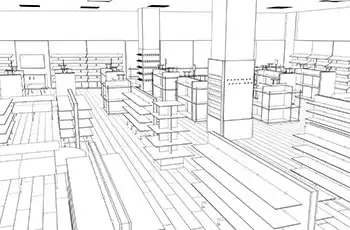
Retail Construction
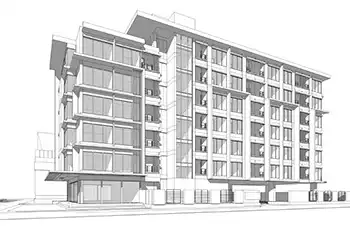
MDU/Apartment Renovations

Hotel Renovations
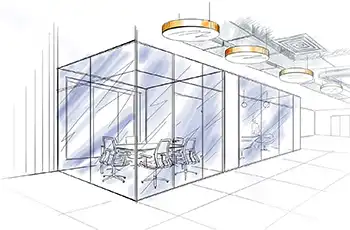
Tenant Improvements (TI)
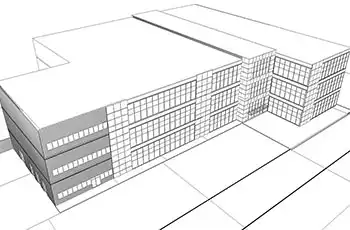
Commercial Roofing